
Table of Contents
The Creator of the Expressionist Style and His World
Expressionism is one of the most influential art movements in modern history. Rather than focusing on realistic representation, Expressionist artists sought to convey deep emotions, inner struggles, and personal experiences through bold colors, distorted forms, and dramatic compositions. While many people search for **the creator of the Expressionist style**, the truth is that Expressionism was not invented by a single artist. Instead, it emerged through the work of several visionary painters who transformed the way art expressed human emotion.
Who Created the Expressionist Style?
Unlike artistic styles that can be traced back to one founder, Expressionism developed collectively during the late 19th and early 20th centuries. Several artists laid the foundation for what would become the Expressionist movement.
Among the most influential figures are:
- Edvard Munch
- Vincent van Gogh
- James Ensor
- Wassily Kandinsky
- Ernst Ludwig Kirchner
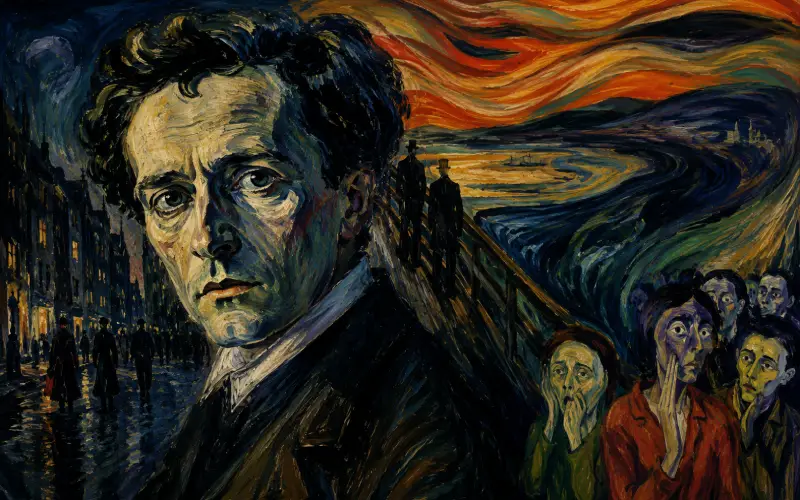
Although Edvard Munch is often considered the spiritual father of Expressionism because of his emotionally charged masterpiece The Scream, the movement itself was shaped by numerous artists working across Europe.
The World Behind Expressionism
Expressionism emerged during a period of rapid industrialization, urban growth, and political uncertainty. Society was changing dramatically, and many artists felt disconnected from the modern world.
Instead of painting what they saw, Expressionist artists painted what they felt. Their work reflected:
- Anxiety
- Loneliness
- Love
- Fear
- Alienation
- Hope
- Spiritual searching
Their paintings became visual representations of the human soul rather than accurate depictions of reality.
Characteristics of Expressionist Art
Expressionism can be recognized through several distinctive features.
Bold and Emotional Colors
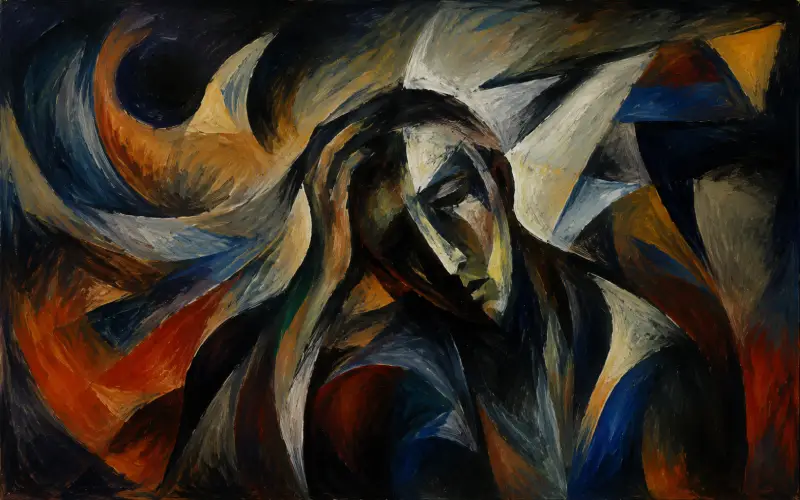
Expressionist painters often used unrealistic colors to intensify emotional impact. A blue face or red sky was not meant to represent reality but rather the artist’s feelings.
Distorted Forms
Objects, landscapes, and human figures were intentionally exaggerated or distorted to communicate emotion.
Visible Brushstrokes
Rough, energetic brushwork helped convey movement, tension, and psychological intensity.
Emotional Storytelling
Every painting aimed to express an emotional experience instead of documenting everyday life.
Edvard Munch: The Emotional Pioneer
Norwegian painter Edvard Munch played a crucial role in inspiring Expressionism. His iconic painting The Scream has become one of the most recognizable artworks in history.
Munch explored themes such as:
- Death
- Isolation
- Love
- Anxiety
- Human vulnerability
His deeply personal style influenced generations of Expressionist painters throughout Europe.
Vincent van Gogh’s Influence
Although Vincent van Gogh died before Expressionism officially emerged, his emotional use of color and energetic brushwork inspired many Expressionist artists.
Works such as:
- Starry Night
- Wheatfield with Crows
- Sunflowers
demonstrate how emotion can transform ordinary subjects into powerful artistic statements.
German Expressionism
Germany became the center of the Expressionist movement during the early 1900s. Two important artist groups led its development.
Die Brücke (The Bridge)
Founded in Dresden in 1905, this group sought to break away from traditional academic art.
Their paintings featured:
- Bright colors
- Sharp lines
- Simplified figures
- Emotional intensity
Der Blaue Reiter (The Blue Rider)
Established in Munich in 1911, this movement focused on spirituality and abstraction.
Artists like Wassily Kandinsky believed art should express inner emotions rather than imitate nature.
Why Expressionism Changed Art Forever
Expressionism shifted the purpose of painting from recording reality to revealing emotion.
Its influence can still be seen in:
- Modern painting
- Contemporary illustration
- Cinema
- Graphic design
- Digital art
- Photography
- Street art
Many contemporary artists continue to embrace Expressionist principles by prioritizing emotional storytelling over realistic representation.
The Lasting Legacy
Today, Expressionism remains one of the most studied and admired movements in art history. Museums around the world preserve Expressionist masterpieces because they continue to resonate with audiences on a deeply human level.
Rather than presenting a perfect image of the external world, Expressionism reminds us that art can reveal our inner experiences, fears, dreams, and emotions more truthfully than realism ever could.
Conclusion
Although there is no single creator of the Expressionist style, artists such as Edvard Munch, Vincent van Gogh, and Wassily Kandinsky played essential roles in shaping the movement. Their innovative vision transformed modern art by placing human emotion at its center. Expressionism continues to inspire artists and viewers alike, proving that the most powerful works of art often come not from what we see, but from what we feel.